On Friday, March 13, 2026, six Smith College SSW students joined hundreds of other social work students from across Massachusetts at the State House. These students were participating in Legislative Education and Advocacy Day (LEAD), sponsored by the Massachusetts Chapter of the National Association of Social Workers (NASW-MA). NASW-MA is one of 54 chapters under the National Association of Social Workers, the largest membership organization for professional social workers in the world.
“LEAD gives those who attend a unique opportunity to learn about advocacy and the legislative process, while also engaging with legislators and practicing lobbying skills in community with peers,” said a release from NASW. “The event is held during March to celebrate Social Work Month, an occasion commemorated by Governor Maura Healey in a proclamation.”
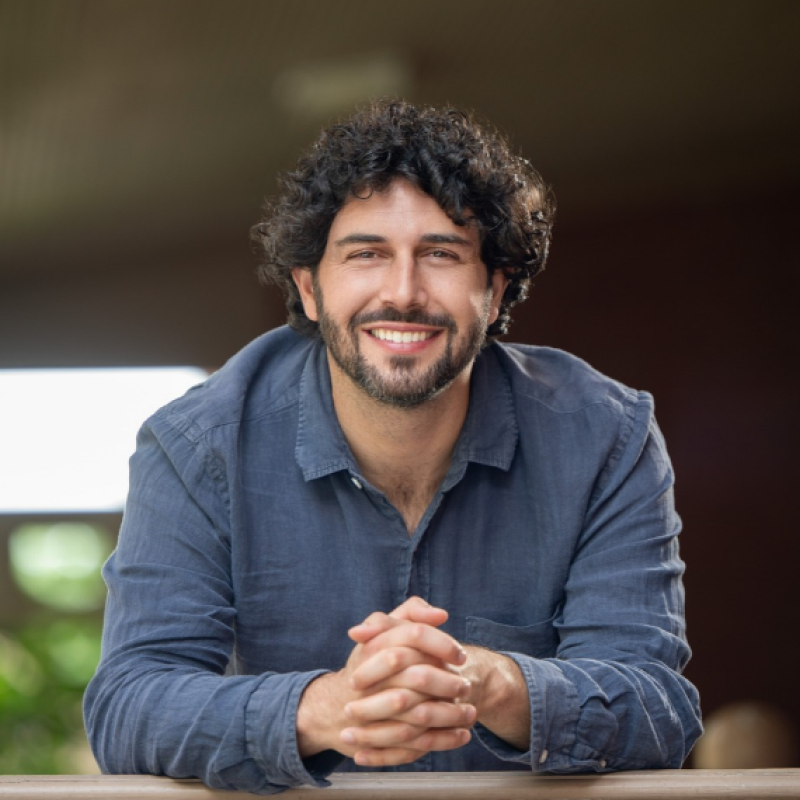
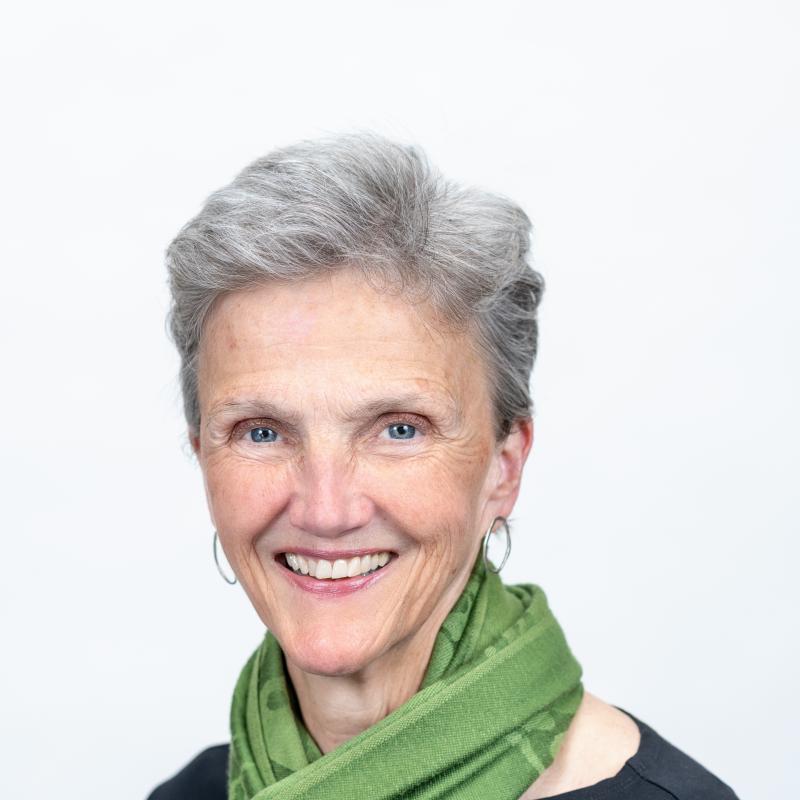
The event began with remarks by Rebekah Gewirtz, executive director of NASW-MA and this year’s convocation speaker, and Sandra Best Bailly, NASW-MA Board President and Simmons University faculty member.
Also included in the day were keynotes by Senator Lydia Edwards and Representative Michael Kushmerek, a Lobbying 101 course to help social workers become effective advocates, and four legislative panel discussions.
"I was reminded that social work is like CPR—you are called to respond and support lives wherever you are. Just as you would not stand by while someone is in crisis because you are not 'from' that place, social workers should not be limited by state boundaries when people need care." -Agnes Umutesi, M.S.W. '26
This year’s panel discussions focused on a priority bill on NASW-MA’s 2025-2026 Legislative Agenda: SUPER Act (S.2590/H.4650), Social Work Interstate Compact (S.252/H.380), Overdose Prevention Centers (S.1393/H.2196), and Everyone Needs an ID (S.2399/H.3750).
Agnes Umutesi, who is a second-year M.S.W. student, said that the biggest impact of the event "was understanding how policy—especially the Social Work Licensure Compact (S.252/H.380)—directly impacts both client access to care and social work practice. I learned that current state-by-state licensing creates barriers. At the same time, the compact is designed to reduce those barriers by allowing licensed social workers (B.S.W., M.S.W., and clinical) to practice across participating states. This showed me that advocacy is essential, because legislation like this can expand access to services, reduce workforce shortages, and ensure continuity of care for clients who move or travel."
First year student Maxim Melnichuk reflected on how “Our individual stories as social workers are important to inducing person-centered, equitable, and sustainable change. I'm excited to [have] expand[ed] my professional and collegial networks and [to] share resources, stories, and connections with friends and classmates this summer.”
Umutesi added, "I was reminded that social work is like CPR—you are called to respond and support lives wherever you are. Just as you would not stand by while someone is in crisis because you are not 'from' that place, social workers should not be limited by state boundaries when people need care. This perspective reinforced for me the importance of policies like the Social Work Licensure Compact, which aim to remove barriers and allow social workers to respond where they are most needed."
SSW students attending the event included: Haley Adams, Maxim Melnichuk, Agnes Umutesi, Petra Schweitzer, Adriana Piantedosi, and Tasha Otenti (not pictured).