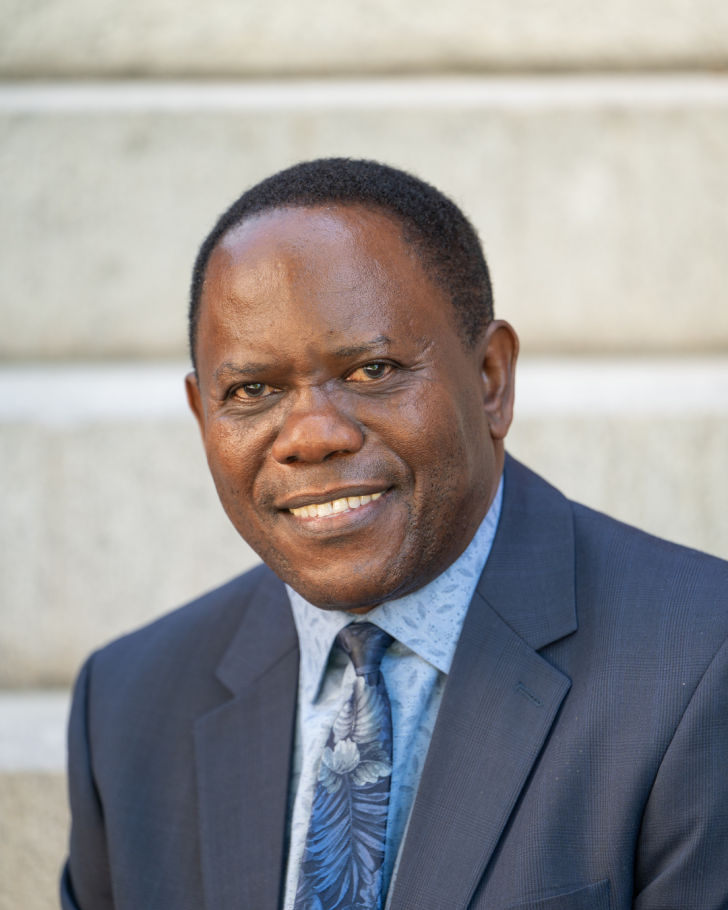
Professor Hugo Kamya, M.Div., M.S.W., Ph.D., published his latest work, bringing together traditional storytelling techniques from his life in Uganda with narrative therapy (NT) techniques and theory. Narrative Practices for Resilience and Hope: Rewriting Stories of Trauma in Clinical Work, published by Norton Professional Books, focuses on how the stories people tell about themselves, or those told by society, shape identities. The book shows how examining them in the therapeutic space can allow for change and healing.
Weaving together strands of social work, psychology and integrating spirituality in clinical practice in his work, Kamya’s work with NT spans over 25 years. He says this school of thought attempts to build collaborative and socially-just ways of understanding people’s experiences and struggles, and it intentionally avoids individualizing and pathologizing peoples’ suffering. Importantly, NT encourages thinking about stories that are marginalized and bringing them into the light in safe and healing ways. He says it is about reframing the healing process through the power of stories.
“How do we see ourselves outside the dominant story lines? Social, political, cultural? These stories that often don’t get celebrated need to be shared in people’s lives. They are stories that help us think outside the box. They invite us to think differently.”
“As I work with people, [the stories they share] speak about identity, speak about hope, speak about growth, development, understanding.”
Kamya says this book is a culmination of his work in NT, a tapestry that weaves together research, clinical practice, teaching and personal experiences. Growing up in a land of stories threading through all aspects of understanding life, place, and home, Kamya says that stories inform peoples’ identities, relationships and sense of belonging. He illustrates the deep transformative power of storytelling, encouraging practitioners to connect with their own stories as well as those of their clients. The book starts off with his own story and upbringing, meaning-making, language, how people understand and create stories, and the ways lives are transformed by shifting narratives.
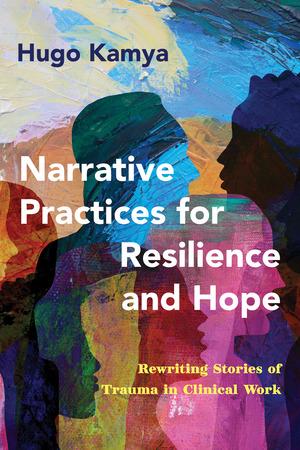
The book explores trauma, resilience, spirituality, and cultural identity, and offers insights into working with diverse populations. “How we listen to these stories matters. How do we give voice and hearing to those voices often marginalized and dismissed? How do we expand the audience?”
Kamya also created a popular NT course for M.S.W. students in 2025 focused on teaching advanced clinical practice skills with clients. The course encourages students to connect to their stories and the stories of others.
“[This] approach helps people broaden stories, expand those stories, give audience to those stories in a way that allows for healing to happen, in a way that provides people even greater ways of understanding themselves and their communities.”
“How we listen to these stories matters. How do we give voice and hearing to those voices often marginalized and dismissed? How do we expand the audience?”
As in the book, Kamya writes about cultivating hope in times and places where hope seems absent. Hope carries an important storyline in the therapeutic process.
“As I work with people, [the stories they share] speak about identity, speak about hope, speak about growth, development, understanding.”
Find the book here.